Well Water and Septic Care on Your Northeast Texas Acreage

Shannon Miles
Shannon Miles Group, eXp Realty
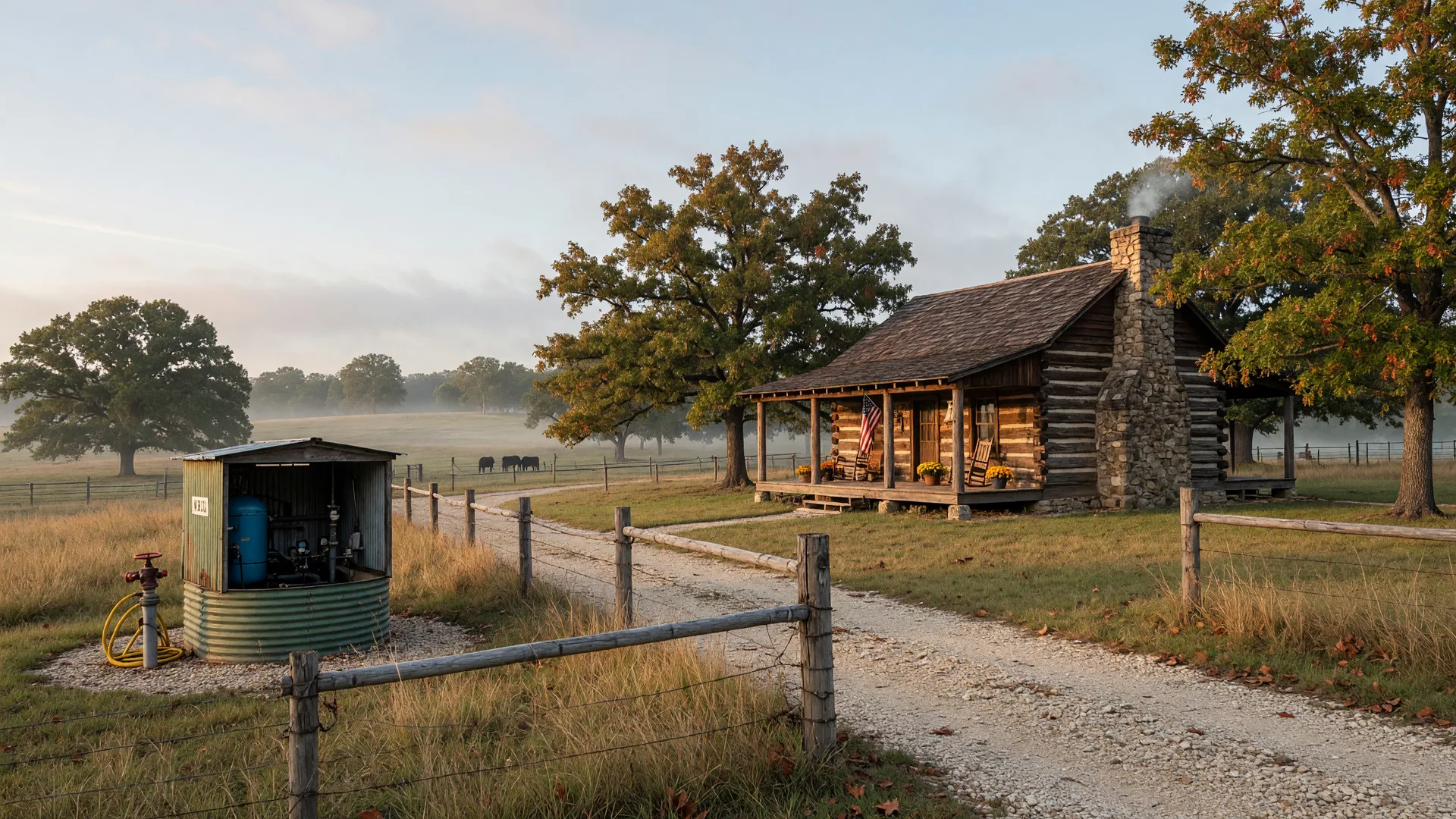
When people tell me they are ready to trade a subdivision address for a piece of country in Northeast Texas, the conversation usually starts with porches and chickens. It does not take long to land on water. Homes on acreage around Arthur City and across Lamar County often run on their own private well and septic system, which means the water at your tap and what happens after it drains are yours to manage. That can sound intimidating, until you build a simple routine around it.
Test Your Well Water Every Year
The most important habit takes one phone call. The Texas Well Owner Network, a Texas A&M AgriLife program, recommends that private well owners test their water at least once a year for coliform bacteria, E. coli, and nitrates, the most common concerns on rural land. Test again any time the taste, smell, or color changes, and again after a heavy flood. Sandy loam, like the soil you find at 6260 Farm Road 197, drains well and keeps the area around a wellhead drier than heavy clay. The yearly test is still what tells you the water is safe.
Give the Septic System a Schedule
The Texas Commission on Environmental Quality recommends pumping a conventional septic tank every three to five years, and on the shorter end when your family fills the tank regularly. Compared to a failing drain field, a pump-out is inexpensive. In between, keep the tank lid and drain field clear of leaves and tall grass, never park heavy equipment or trucks over the field, and keep deep-rooted plants off the lines. A little respect for the system now prevents a much worse conversation later.
A Fall Checklist for Your Acreage
September is the perfect window for rural water care in North Texas, before the first hard freeze. Insulate exposed pipes and drain the outdoor spigots. Check the air charge in the pressure tank and the gauge at the wellhead. Clear leaves and debris away from the well. If your tank is due, have it pumped in the fall, before winter demand and frozen ground make it harder. That is an afternoon of work, and it is the difference between a quiet winter and a frozen surprise.
Water Questions to Ask Before You Buy
Rural lifestyle in Texas is built on land and water, so buy with both questions in mind. When you look at acreage, ask whether the property is on a well or rural water, how old the septic tank is, and when it was last serviced and pumped. A place like 6260 Farm Road 197, with 4.5 acres, sandy loam soil, pipe and barbed-wire fencing, and a wrap-around porch for watching the sunset, is the kind of property where these systems fit the lifestyle. Getting the right answers keeps everything else running smooth.
Interested in a property like this? Contact the Shannon Miles Group at (903) 785-2005 or visit shannonmiles.com.
Written by Shannon Miles
Shannon Miles is a REALTOR with the Shannon Miles Group at eXp Realty in Paris, TX. She specializes in acreage, new construction, and country properties across Northeast Texas.
Contact Shannon